
Exclusive Retail Partner—Gettysburg Goods

Our Story

Gettysburg Sentinels was founded in 2007 by retired Army Lt. Colonel William D. Hewitt to afford the opportunity for those who cherish the history of the Battle of Gettysburg to own products made of the wood of trees harvested from the Gettysburg Battlefield.
Many of our products are made from the wood of Witness trees, which are those that stood during the battle in July of 1863. Other wood from newer Battlefield trees are used as well.
In early 2022, Colonel Hewitt sold Gettysburg Sentinels to long-time friend and fellow woodworker, Greg Allen. Greg and his wife Tina have lived in an historic house on Chambersburg Road just west of the Gettysburg Battlefield since 1986 where, most notably, Colonel Henry Burgwyn was buried late in the morning of July 1, 1863. The youngest Colonel in the Confederate Army, Burgwyn, was mortally wounded by Union infantry while saving the regimental flag. He was removed from the field where he died on the property later that day.
Greg retired in January of 2022 after a 40 year career from a company he founded with Tina in 1982. His passion for history and love of woodworking will continue the legacy of this very unique business that is Gettysburg Sentinels.
Wood from old or historic trees often show natural “defects” that are actually signs of age, character, and authenticity, especially in reclaimed or witness-tree material like Gettysburg Sentinels uses. Here are the most common ones.
Every Mark Tells a Story

Spalting
-
What it is: Dark lines or marbled patterns caused by fungi during early decay.
-
Why it happens: The tree began decomposing naturally before being reclaimed.
-
Is it bad? No—when stabilized, it’s prized for its dramatic appearance.

Worm Holes / Insect Tunnels
-
What it is: Small holes or tracks left by beetles or wood-boring insects.
-
Why it happens: Insects lived in the tree while it was alive or shortly after it fell.
-
Is it bad? Structurally safe once treated and sealed.
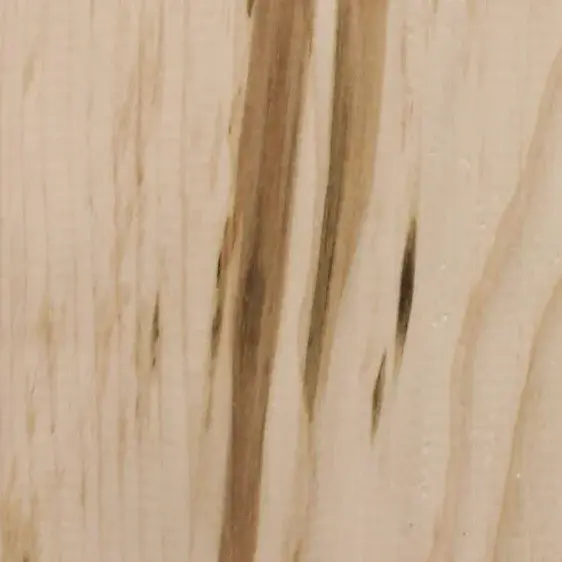
Mineral Streaking / Discoloration
-
What it is: Dark or unusual color variations.
-
Why it happens: Minerals in soil absorbed over decades.
-
Is it bad? Purely cosmetic.


My Philosophy
While I am a woodworker and take great pride in my craft, it is the history behind the wood used to make my products that drives me. I cannot help but wonder what secrets the trees could reveal!
Think about it - a Witness tree could confirm details of the battle that historians often debate. Historians can only interpret the volumes of information provided since the conflict, but the trees were actually there.
Battlefield trees have stood watch over the sacred ground in the decades after the three day battle. They have stood vigil to the development of the national military park through the years.
No two pieces of my products are the same because no two pieces of wood are the same. I often say 'I take what the wood gives me'. In doing so, I get the most out of every piece used to make products that tell a story about the Battle of Gettysburg.
My respect for the trees and their stories goes into every product I make. It is my fervent wish to pass those stories onto you.
Honored by our founder and those who have served
William D. Hewitt spent 31 years in the U.S. Army and retired with his wife to Gettysburg in 2001. He's worked with wood for over 40 years. As proprietor of Gettysburg Sentinels, he combined his love of history and woodworking to create exceptional products and unique gifts for history buffs and collectors alike.


